

 CN
CN
Cefmetazole Sodium for Injection
Instructions for Cefmetazole Sodium for Injection
Please read the instructions carefully and use under the guidance of a physician or pharmacist
[Name of the drug]
Generic name: Cefumezole sodium for injection
Product name: Cefmetazole Sodium for Injection
Hanyu Pinyin: Zhusheyong Toubaomeizuona
[Ingredients]
The active ingredient of this product is cefumezole sodium.
Chemical Name: (6 R R,7 S )-7-[2-[(cyanomethyl)thio]acetylamino]-7-methoxy-3-[[[(1-methyl-1H-tetrazozo-5-yl H)thio]methyl]-8-oxo-5-thio-1-azabicyclic [4.2.0] Sodium oct-2-en-2-carboxylate salt.
Chemical structural formula:
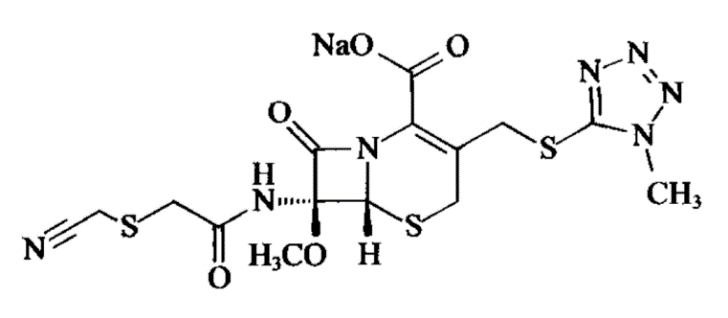
Molecular formula:C 15 H 16 N 7 NaO 5 S 3
Molecular weight: 493.51
Excipients: There are no excipients in the prescription of this product.
[Characteristics]
This product is a white to slightly yellow powder.
[Indications]
This product is indicated for the treatment of the following infections caused by Staphylococcus aureus, Escherichia coli, Pneumobacterium, Proteus spp., Streptococcus pepios, Bacteroidetes, Proteus spp., Streptococcus pepios, Bacteroidetes, and Prevobacterium spp. (except Prevobacterium biluborus) that are sensitive to sodium cefumezole:
â—‹ Sepsis
â—‹ Acute bronchitis, pneumonia, lung abscess, empyema, secondary infection of chronic respiratory diseases
â—‹ Cystitis, pyelonephritis
â—‹ Peritonitis
â—‹ Cholecystitis, cholangitis
â—‹ Bartholinitis, intrauterine infection, uterine adnexitis, parauterine tissue
â—‹ Cellulitis and gnathitis around the jawbone
[Specifications]
As C 3 p.m. :17 N 7 W 5 S 3 计(1)0.25g (2)1.0g (3)2.0g
[Usage and dosage]
Adults, 1~2g (calculated by C15H17N7O5S3) per day, divided into 2 intravenous injections or intravenous drips.
For children, 25~100mg (calculated according to C15H17N7O5S3)/kg body weight per day, divided into 2~4 intravenous injections or intravenous infusions.
In addition, for refractory or severe infections, the daily dose can be increased to 4 g for adults (calculated as C 15 h 17 n 7 o 5 s 3 ) and 150 mg for children (according to C) according to symptoms 15 h 17 n 7 o 5 s 3 calculation)/kg body weight, divided into 2~4 doses.
When administered intravenously, 1g of this product (calculated as C 15 H 17 N 7 O 5 S 3 ) is dissolved in 10 ml of water for injection, normal saline or glucose injection, and injected slowly. In addition, this product can also be added to the rehydration solution for intravenous drip, which should not be dissolved with water for injection at this time, because the osmotic pressure of the solution is unequal.
< precautions for usage and dosage >
(1) Patients with severe renal impairment should appropriately adjust the dosage and dosing interval, and use the drug with caution (refer to the prudent use of medication and [Pharmacokinetics] items in [Precautions]).
(2) When using this product, in principle, a susceptibility test should be performed, and the use of the drug should be limited to the shortest time necessary for the treatment of the disease [to prevent the emergence of drug-resistant bacteria, etc.].
< need to know > medication
(1) Preparation method: When preparing intravenous drip, refer to the precautions recorded in the dosage column mentioned above.
(2) After dissolution: It should be used as soon as possible after dissolution, and stored at room temperature for no more than 24 hours.
(3) Administration: When administered in large quantities intravenously, it may cause pain in blood vessel irritation, so pay full attention to the preparation, injection site and injection method of the injection solution and inject it as slowly as possible.
[Adverse reaction]
(This item includes adverse reactions that cannot be calculated for incidence).
Among the 27,356 cases, 841 (3.07%) were reported as adverse reactions, mainly including increased AST (GOT) (0.94%), increased ALT (GPT) (0.90%), rash (0.82%), nausea and vomiting (0.20%).
1 . Major adverse reactions
(1) Rarely causes shock (less than 0.01%) and allergic symptoms (discomfort, oral abnormalities, stridor, dizziness, bowel movements, tinnitus, sweating, etc.) (incidence unknown), so attention should be paid to observation, and if abnormalities occur, the drug should be stopped immediately and appropriate treatment should be taken.
(2) There is a possibility of cutaneous mucosal eye syndrome (Stevens-Johnson syndrome) (incidence unknown) and toxic epidermal necrolysis (Lyell syndrome) (incidence unknown). Once similar symptoms are found, the drug should be stopped immediately and treated appropriately.
(3) Acute renal failure (incidence unknown) and other serious renal function damage may occur, so careful observation should be observed, regular checking of renal function, if BUN and blood creatinine are elevated, the drug should be stopped immediately and appropriate treatment should be taken.
(4) Hepatitis (incidence unknown), liver dysfunction (incidence unknown), jaundice (incidence unknown): Because there may be signs of hepatitis and liver dysfunction such as significant increase in AST (GOT) AND ALT (GPT), attention should be paid to observation, and if abnormalities occur, the drug should be stopped immediately and appropriate treatment should be taken.
(5) Agranulocytosis (incidence unknown), hemolytic anemia (incidence unknown), thrombocytopenia (incidence unknown) may occur. Therefore, attention should be paid to observation, and if there is any abnormality, the drug should be stopped immediately and appropriate treatment should be made.
(6) Rare pseudomembranous enteritis with blood in the stool (less than 0.01%) (initial symptoms: abdominal pain and frequent diarrhea). Therefore, attention should be paid to observation, and if there is any abnormality, the drug should be stopped immediately and appropriate treatment should be made.
(7) Interstitial pneumonia with symptoms such as fever, cough, dyspnea, abnormal chest X-ray, and eosinophilia (incidence unknown) and pulmonary infiltrate syndrome with eosinophilia (PIE) syndrome (incidence unknown). If similar symptoms occur, the drug should be discontinued immediately and appropriate management, such as adrenocorticosteroids.
2 . Other adverse reactions
| Incidence of adverse reactions | |||
| The incidence is unknown | 0.1~<1% | <0.1% | |
| Allergic reaction note). | Rash, itching | Hives, erythema, fever | |
| Blood | Granulopenia, Eosinophilia |
erythrocytopenia, Thrombocytopenia |
|
| Liver | Elevated AST (GOT), elevated ALT (GPT), abnormal liver function | ALP is elevated | |
| Digestive system | Nausea, vomiting, and diarrhea | Loss of appetite | |
| Dysbacteriosis | stomatitis, candidiasis | ||
| Vitamin deficiency | Vitamin K deficiency (hypothrombinemia, bleeding tendency, etc.). | B vitamin deficiency (glossitis, stomatitis, loss of appetite, neuritis, etc.). |
|
| Other | Headache | ||
Note) Stop the drug immediately and treat it appropriately when symptoms appear.
[Contraindication]
It is contraindicated for patients with a history of anaphylactic shock to this product.
In principle, patients with a history of allergy to the ingredients contained in this product or cephalosporin antibiotics should not be administered, and should be used with caution when necessary.
[Precautions]
1. Use medication with caution (the following patients should be cautious with medication).
(1) Patients with a history of allergy to penicillin antibiotics.
(2) Patients who have allergic constitutions and are prone to allergic symptoms such as bronchial asthma, rash, and urticaria.
(3) Patients with severe renal impairment [may have increased blood concentration and prolonged half-life] (refer to [Dosage] and [Pharmacokinetics]).
(4) Patients with insufficient oral intake or non-oral maintenance nutrition, and patients with poor general condition (patients who cannot supplement vitamin K through diet will have symptoms of vitamin K deficiency).
(5) Elderly patients (refer to [Geriatric Medication]).
2. Important precautions:
(1) Because there is no definite way to predict the shock and allergic reactions caused by this product, the following measures should be taken:
1) Sufficient medical history should be asked before use, especially the history of allergy to antibiotics must be confirmed.
2) When using, first aid measures for shock must be prepared.
3) From the beginning to the end of administration, the patient should remain quiet and fully observed. In particular, pay full attention to observation at the beginning of administration.
(2) Avoid alcohol consumption during and for at least 1 week after administration (refer to [Drug Interactions]).
3. Impact on clinical test results
(1) In addition to the test strip reaction with urine glucose test, urine glucose tests performed with Benediter's reagent, Ferring's reagent and Clinitest sometimes have false positives, so it should be noted.
(2) When using the Jaffe reaction for creatinine examination, the apparent creatinine value may show high values, so attention should be taken.
(3) Direct Combs test, sometimes positive.
4. Other precautions
When using this product, it is recommended to regularly check liver function, kidney function, blood and other items.
[Medication for pregnant and lactating women]
Pregnant women or women who may become pregnant should only be given if the benefits of treatment outweigh the risks (safety of medication during pregnancy has not been established).
[Children's medication]
Premature birth, newborns should be used with caution. For other details, please refer to the [Usage and Dosage] item.
[Medication for the elderly]
For elderly patients, the following factors should be paid attention to, and factors such as dosage and dosing interval should be considered and administered carefully.
(1) Elderly patients are prone to adverse reactions due to reduced physiological functions.
(2) Vitamin K deficiency may cause bleeding tendency in elderly patients.
[Drug Interactions]
When combining medications, attention should be paid to:
| Drug name | Clinical symptoms and treatment methods | Mechanism and risk factors |
| Alcohol | Alcohol consumption can cause disulfiram-like effects (flushing, palpitations, vertigo, headache, vomiting, etc.) [avoid alcohol during and for at least 1 week after administration] | Although it is unclear, the N-methiotetrazole group of the 3-position side chain may have a disulfiram-like effect. |
| Diuretic (furosemide, etc.). |
Potential for enhanced kidney damage | Although the mechanism is unknown, it has been reported in animal experiments (rats) that the combination of furosemide has shown mild to moderate atrophy and concentration of the nuclei of proximal tubular epithelial cells. |
[Drug overdose]
It is not clear.
[Pharmacology and Toxicology]
1. Pharmacological effect
(1) Antibacterial effect
a) Cefmetazole sodium is highly stable to β-lactamase and has the same strong antibacterial activity against sensitive bacteria that produce β-lactamase as well as those that do not produce β-lactamase.
b) It has a good antibacterial effect on Staphylococcus aureus, Escherichia coli, Pneumobacterium pneumoniae, and Proteus mira, and also has strong antibacterial activity against cephalosporin-resistant and penicillin-resistant Proteus vulgaris, Morganella moseii, and Providence. In addition, it also showed strong antibacterial effects on anaerobic bacteria such as Streptococcus digestion, Bacteroidetes, and Prevobacteria (except Prevobacterium dilupathe).
(2) Mechanism of action
It exerts bactericidal effects by inhibiting cell wall synthesis of bacteria during the proliferative phase.
2. Toxicology research
(1) Subcutaneous drug administration experiment in juvenile rats showed testicular atrophy. Reports of inhibition of spermatogenesis.
(2) The antigenicity of cefumezole sodium was investigated in mice, rabbits and guinea pigs, and the results were the same as those of other cephalosporin antibiotics, and the antigenicity of all animals was weak, and the crossover with the passive skin allergic reaction of cefazolin and cefothiophene was also weak. In addition, the positive response of Coombs was significantly weaker than that of cefothiophene.
[Pharmacokinetics]
1. Blood concentration
(1) Intravenous injection
When healthy adults were administered intravenously with cefumezole sodium 1g (calculated at C15H17N7O5S3), the average blood concentration was 188 μg/ml after 10 minutes of administration and 1.9 μg/ml after 6 hours, and the plasma half-life was about 1 hour, and the blood concentration was correlated with the administered dose.
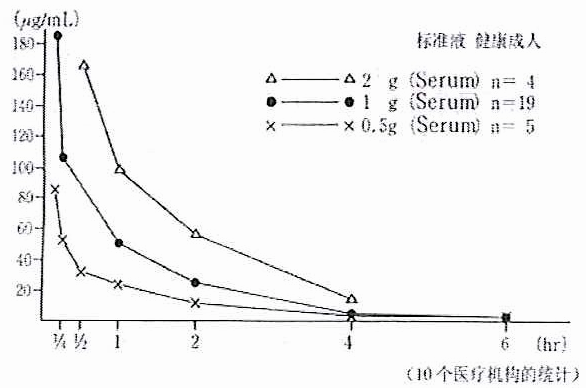
Figure 1 Drug-time curve after intravenous administration
(2) Intravenous drip
Healthy adults were given intravenous infusion of cefumezole sodium 1g (calculated at C15H17N7O5S3) for 1 hour, and the plasma concentration peaked at the end of the infusion, with an average of 76.2 μg/ml, 2.7 μg/ml after 6 hours, and a plasma half-life of about 1.2 hours, and the plasma concentration was correlated with the administered dose.
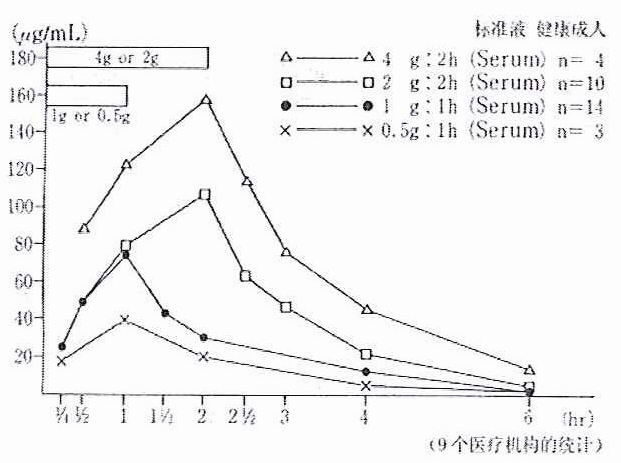
Figure 2 Drug-time curve after intravenous infusion administration
2. Serum protein binding rate
Cefmezole sodium 100 μg/ml: 84.8%
Cefmezole sodium 25 μg/ml: 83.6%
(In vitro, centrifugal ultrafiltration).
3. Distribution
High concentrations are distributed in sputum, ascites, abdominal exudate, gallbladder wall, bile, uterus/ovary/fallopian tubes, pelvic effusion, jawbone, maxillary sinus mucosa, gums, etc. In addition, it is also distributed in amniotic fluid, cord blood, kidneys (cortex and medulla), but almost never in breast milk.
4. Metabolism and excretion
Sodium cefumezole is not metabolized in the body and is mostly excreted in the urine in a prototype state with antibacterial activity. The urine recovery rate within 6 hours is 85~92%, and the metabolic rate is high.
5. Blood concentration and urinary excretion in case of renal impairment
When renal function is reduced, urinary excretion decreases, blood concentration rises, and half-life is prolonged.
6. Medication for patients with renal impairment
Patients with renal impairment were given intravenous infusion of cefumezole sodium 1g (calculated as C 15 h 17 N 7 O 5 S 3 ), and the pharmacokinetics were analyzed by a one-chamber open model. The results showed that there was a significant correlation between renal function and serum clearance and renal clearance of cefmetazole sodium.
| CCR range (ml/min). | Ccr (ml/min) | Sc1 (ml/min) | Rc1 (ml/min) | |
| Healthy adult group | >90 | 115.8±7.4 | 160.8±2.9 | 110.6±14.9 |
| Group of patients with renal impairment | 60~90 | 76.1±2.8 | 69.4±7.0 | 41.9±3.8 |
| 30~60 | 43.8±4.9 | 40.9±8.6 | 29.9±5.1 | |
| 10~30 | 17.1±2.3 | 26.9±7.0 | 12.1±3.7 | |
| <10 | 4.4±1.9 | 11.2±3.9 | 3.9±2.8 |
The clinical results of cefmetazole sodium showed that the method of administering 1 g twice a day every 12 hours was the most common and highly effective. The relationship between dose and dosing interval in patients with renal impairment when administered by this method is shown in the table below.
| Ccr (ml/min) | Adjust the dosing interval | Adjust the dosage | ||
| Dosage (mg). | Dosing interval (h). | Dosage (mg). | Dosing interval (h). | |
| >60 | 1000 | 12 | 1000 | 12 |
| 60~30 | 1000 | 24 | 500 | 12 |
| 30~10 | 1000 | 48 | 250 | 12 |
| <10 | 1000 | 120 | 100 | 12 |
[Storage]
Sealed and stored in a cool, dark (no more than 20°C) dry place.
Keep this product out of reach of children.
[Packaging]
Medium borosilicate glass controlled injection bottles and sterile powders for injection are packaged with ethylene tetrafluoroethylene copolymer film chloride butyl rubber stoppers. 1 bottle/box, 10 bottles/box.
[Validity period]
18 months
[Implementation standards]
The National Medical Products Administration YBH14652025 standards
[Approval number]
(1) 0.25g: Sinopharm quasi-H20258105
(2) 1.0g: Sinopharm quasi-H20258106
(3) 2.0g: Sinopharm quasi-H20258104
[Marketing authorization holder]
Name: Guangdong Jincheng Jinsu Pharmaceutical Co., Ltd
Registered address: No. 10, Shennong Road, Torch Development Zone, Zhongshan City, Guangdong Province
[Manufacturer]
Company name: Guangdong Jincheng Jinsu Pharmaceutical Co., Ltd
Production address: No. 10 Shennong Road, Torch Development Zone, Zhongshan City, Guangdong Province
Postal code: 528437
Service hotline: 400-9988-970
Phone number: 0760-22830525 (switchboard).
Fax number: 0760-22578279
Website: www.gdjcjs.com