

 CN
CN
Cefotaxime Sodium for Injection
Instructions for Cefotaxime Sodium for Injection
Please read the instructions carefully and use under the guidance of a physician
Warning: This product is contraindicated in individuals who are allergic to cephalosporins and those with a history of penicillin anaphylactic shock or immediate reactions.
[Name of the drug]
Generic name: Cefotaxime Sodium for Injection
Product name: Cefotaxime Sodium for Injection
Hanyu Pinyin: Zhusheyong Toubaosaiwona
[Ingredients]
The main ingredient of this product is cefotaxime sodium.
Chemical name: (6R,7R)-3-[(acetoxy)methyl]-7-[2-(2-aminothiazol-4-yl)-2-(methoxyimino)acetylamino]-8-oxo-5-thio-1-azabicyclic [4.2.0]octane-2-en-2-carbamate sodium salt.
Chemical structural formula:
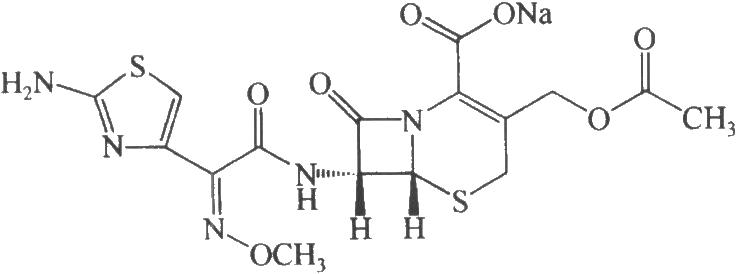
Molecular formula:C 16 H 16 N 5 NaO 7 S 2
Molecular weight: 477.44
Excipients: There are no excipients in the prescription of this product.
[Characteristics]
This product is white to slightly yellow crystals or powder.
[Indications]
To reduce the development of resistant bacteria and ensure the effectiveness of cefotaxime sodium and other antimicrobials, cefotaxime sodium is only used for the treatment or prevention of infections that have been proven or highly suspected to be caused by sensitive bacteria. Bacterial culture and susceptibility test results should be taken into account when selecting or modifying antimicrobial therapy regimens. If data from these trials are not available, empirical treatment should be based on local epidemiology and susceptibility to pathogens.
Before treatment, bacterial culture and susceptibility testing should be performed to isolate and identify the infected pathogen to determine its sensitivity to the antibacterial drug.
During treatment, bacterial culture and susceptibility testing should be performed regularly to determine whether pathogenic bacteria are susceptible to antimicrobials and to detect bacterial resistance in time.
This product is suitable for the following infections caused by sensitive bacteria:
(1) Lower respiratory tract infection : caused by Streptococcus pneumoniae (proto-pneumococcus), Streptococcus pyogenes* (group A hemolytic streptococcus) and other streptococci (except enterococcus, such as Enterococcus faecalis), Staphylococcus aureus (penicillinase and non-penicillinase), Escherichia coli, Klebsiella spp., Haemophilus influenzae (including ampicillin-resistant strains), Haemophilus parainfluenzae, Proteus mira, Lower respiratory tract infections including pneumonia caused by Serratia marcescens*, Enterobacteriaceae, indole-positive Proteus spp. and Pseudomonas spp. (including Pseudomonas aeruginosa).
(2) Genitourinary � tract infections : Enterococcus, Staphylococcus epidermidis, Staphylococcus aureus* (penicillinase producing and non-penicillinase), Citrates, Enterobacteriaceae, Eschenella spp., Klebsiella spp., Proteus mira, Proteus vulgaris*, Providence sciferii, M. morganella*, Providence referii*, Urinary tract infections caused by Serratia marcescens and Pseudomonas spp. (including Pseudomonas aeruginosa).
This product can be used to treat uncomplicated urethritis, cervical and rectal infections caused by Neisseria gonorrhoeae, including penicillinase strains.
(3) Gynecological infections: gynecological infections including pelvic inflammatory inflammatory disease, endometritis and pelvic cellulitis caused by Staphylococcus epidermidis, Streptococcus spp., Enterococcus, Enterobacteriaceae*, Klebsiella spp.*, Escherichia coli, Proteus mirabacters, Bacteroides (including Bacteroides fragilis*), Clostridium spp., Anaerococcus spp. (including Streptococcus pyrococcus and Pyrococcus) and Fusobacterium spp. (including Fusobacterium nucleus*).
(4) Bacteremia/sepsis: Bacteremia/sepsis caused by Escherichia coli, Klebsiella spp., Serratia marcescens, Staphylococcus aureus, and streptococcus (including Streptococcus pneumoniae).
(5) Skin and skin soft tissue infections: caused by Staphylococcus aureus (penicillinase producing and non-penicillinase-producing enzymes), Staphylococcus epidermidis, Streptococcus pyogenes (group A hemolytic streptococcus) and other streptococcus, Enterococcus spp., Acinetobacter spp.*, Escherichia coli, Citrate spp. (including Citratebacterium Freuderi*), Enterobacteriaceae, Klebsiella spp., Proteus mirabacter, Proteus vulgaris*, Morganella, Providence referi* , Pseudomonas spp., Serratia marcescens, Bacteroidetes spp. and anaerobic spp. (including Streptococcus pepticus and Peptopococcus spp.).
(6) Abdominal infection: Abdominal infection including peritonitis caused by Streptococcus spp.*, Escherichia coli, Klebsiella spp., Bacteroidetes, Anaerococcus spp. (including Streptococcus pepticus spp. * and Peptococcus spp.*), Proteus mira* and Clostridium spp.*.
(7) Bone and joint infections: Bone and joint infections caused by Staphylococcus aureus (penicillinase and non-penicillinase), Streptococcus spp. (including Streptococcus pyogenes*), Pseudomonas spp. (including Pseudomonas aeruginosa*), and Proteus mirables*.
(8) Central nervous system infections: Central nervous system infections caused by Neisseria meningitidis, Haemophilus influenzae, Streptococcus pneumoniae, Klebsiella spp.*, and Escherichia coli*, such as meningitis and ventriculitis.
In the human organ system, the effectiveness of this microorganism has been studied in less than 10 infections.
[Specifications]
As C 4 : 17 PM N 5 O 7 S 2 计 (1)1.0g (2)2.0g
[Usage and dosage]
1. Adults and children over 12 years old
General infection: 1 g once twice daily, intramuscular or intravenously.
Moderate infection: 2 g twice daily intramuscularly or intravenously or intravenously.
Severe infection: 2~4g at a time, every 8~12 hours, intravenous injection or intravenous drip, daily dose not exceeding 12g.
Gonorrhea: 0.5~1g intramuscular injection (a single dose is sufficient).
2. Children aged 12 and below
General infection: 50~100mg/kg/day 6~12 hours apart intravenous injection or intravenous drip.
Severe infection: 150~200mg/kg/day intravenously in divided doses.
1 time every 12 hours for newborns within 7 days. For 7~28 days newborns, the dose is 25mg/kg every 8 hours. The daily dose for preterm infants should not exceed 50 mg/kg.
3. Prevent infection
1g intramuscular or intravenous injection 0.5~1 hour before anesthesia for major surgical surgery, 1g intraoperatively, and 1g every 6~8 hours after surgery, until within 24 hours.
4. Patients with severe renal function should appropriately reduce the amount of this product when using it.
When the serum creatinine value exceeded 424 μmol/L (4.8 mg) or the creatinine clearance rate was less than 20 ml/min, the maintenance amount of cefotaxime should be halved. When the serum creatinine value exceeds 751 μmol/L (8.5 mg), the maintenance amount is 1/4 of the normal amount. Those who need hemodialysis should be 0.5~2g per day. However, one additional dose should be added after dialysis.
Preparation method:
1. Intramuscular injection: 1g of this product is dissolved in 4ml of 1% or 2% lidocaine injection, and deep intramuscular injection can avoid pain; Or dissolve in 4ml sterile injection water for deep intramuscular injection. When the dose exceeds 2g, it should be injected into different parts.
2. Intravenous injection: 1g of this product is dissolved in more than 10ml of sterilized injection water, and is slowly injected intravenously for 5~10 minutes. 2g of this product is dissolved in 40ml of sterile water for injection or 40ml of 10% glucose injection and administered intravenously slowly over 20 minutes.
3. Intravenous infusion: 2g of this product can be injected within 20 minutes in 40ml of sterile injection water or 40ml of 10% glucose injection, or it can be dissolved in 100ml isotonic solution or 10% glucose injection within 40~60 minutes.
1g of this product is dissolved in 14ml of sterilized water for injection to form an isotonic solution.
[Adverse reaction]
Clinical Trials:
This product is generally well tolerated, and the most common adverse reactions of cefotaxime are local reactions that occur after intramuscular or intravenous injection, and other adverse reactions rarely occur.
The most common adverse reactions ( incidence> 1%) are:
Local reactions (4.3%): inflammatory reactions at the injection site after intravenous injection, pain, hardening and tenderness after intramuscular injection.
Allergic reactions (2.4%): rash, pruritus, fever, eosinophilia.
Gastrointestinal reactions (1.4%): colitis, diarrhea, nausea, and vomiting.
The infrequently occurring adverse reactions (incidence<1 %) are :
Blood system disorders: granulocytosis disorders, leukopenia.
Genitourinary system: candidiasis, vaginitis.
Central nervous system: headache.
Laboratory tests: temporarily elevated AST, ALT, LDH, ALP, and BUN, and some patients have a positive direct Coombs test.
Post-IPO experience:
The following adverse reactions have been reported with cefotaxime injection after marketing approval. Because these adverse effects are reported spontaneously in an uncertain population size, the frequency of these adverse effects and/or their causality with drug exposure cannot be reliably estimated.
Cardiovascular system: Potentially life-threatening arrhythmias have been reported with rapid (<60s) high-dose injections via a central venous catheter.
Central nervous system: High doses of β-lactam antibiotics, including cefotaxime, in patients with renal impairment, may cause encephalopathy (eg, impaired consciousness, abnormal movements, and convulsions). Dizziness has also been reported.
Skin: As with other cephalosporin antibiotics, cases of toxic epidermal necrolysis, Stevens-Johnson syndrome, and erythema multiforme have been reported. Cases of acute generalized eruptive pustulosis (AGEP) caused by cefotaxime sodium have also been reported.
Injection site condition: Inflammatory response at the injection site, including phlebitis/thrombophlebitis.
Hematologic: hemolytic anemia, agranulocytosis, thrombocytopenia, cytopenia, bone marrow suppression.
Allergic reactions: anaphylaxis (eg, anaphylaxis, bronchospasm, anaphylactic shock), urticaria.
Renal: interstitial nephritis, temporarily elevated serum creatinine values, acute renal failure.
Liver: hepatitis, jaundice, cholestasis, elevated γ-GT, and bilirubin.
Adverse reactions to cephalosporins
In addition to the above adverse reactions, the following adverse reactions of cefosporin antibiotics have been reported during the use of cefotaxime sodium: allergic reactions, impaired liver function (including cholestasis), aplastic anemia, and bleeding.
Some cephalosporins have been associated with epilepsy, especially in patients with renal impairment who do not have a dose reduction. When epilepsy occurs during treatment, the drug should be stopped and anticonvulsant therapy should be taken according to clinical needs.
[Contraindication]
This product is contraindicated for people who are allergic to cephalosporins and those who have a history of penicillin anaphylactic shock or immediate reactions.
[Precautions]
1. Cross-allergic reaction: People who are allergic to one cephalosporin or cephalomycin may also be allergic to other cephalosporins or cephalomycins. People who are allergic to penicillin or penicillamine may also be allergic to this product. Before taking the drug, you should ask for a detailed allergy history, and this product needs to be tested for allergy.
2. Interference with diagnosis: The antiglobulin (Coombs) test of patients using this product can have a positive response; Pregnant women should apply this product before childbirth, and this reaction can occur in newborns. Urine glucose determination by copper sulfate method can be false positive. Serum alkaline phosphatase, blood urea nitrogen, alanine aminotransferase, aspartate aminotransferase, or serum lactate dehydrogenase values may be increased.
3. People with a history of gastrointestinal diseases, especially colitis, should use this product with caution. Ceftaime may cause pseudomembranous enteritis. If diarrhea occurs during application and pseudomembranous enteritis is suspected, the drug should be stopped immediately and metronidazole should be taken orally, and if it is ineffective, oral vancomycin and norvancomycin should be considered.
4. Patients with renal dysfunction need to adjust the dosage according to the patient's kidney function, pathogen sensitivity and severity of infection. If the creatinine clearance rate is less than 20ml/min, the dose should be halved.
5. This product and aminoglycosides cannot be dripped in the same bottle.
6. Long-term use of this product may lead to the excessive reproduction of insensitive bacteria or drug-resistant bacteria, which needs to be closely observed, and once double infection occurs, corresponding treatment is required.
7. The treatment of neutrophils and rare agranulocytosis may occur, especially long-term treatment. Therefore, blood routine should be monitored for a course longer than 10 days.
8. This product has a stimulating effect on local tissues. In the vast majority of cases, perivascular extravasation can be resolved by changing the injection site. In rare cases, extensive perivascular extravasation can occur and lead to tissue necrosis, which may require surgical treatment.
9. When treating patients with pelvic inflammatory disease, one of the suspected pathogens is Chlamydia trachomatis, anti-chlamydia drugs should be combined for treatment.
[Medication for pregnant and lactating women]
This product can be excreted through milk, although there are no reports of problems when breastfeeding women use this product, but breastfeeding should be suspended when using this product. This product can enter the fetal blood circulation through the blood-placental barrier, and pregnant women should limit it to patients with specific indications, weighing the pros and cons.
[Children's medication]
Children should only be administered intravenously, and should be closely monitored for fluid extravasation, see [Dosage].
[Medication for the elderly]
Elderly patients should be appropriately reduced according to renal function.
This product is mainly excreted through the kidneys, and for patients with impaired renal function, the risk of toxicity from the use of this product is greater. Because older patients are more likely to develop renal dysfunction, the dose should be carefully selected while the kidney function is closely monitored (see [Precautions]).
[Drug Interactions]
1. Combined with gentamicin or tobramycin has a synergistic effect on Pseudomonas aeruginosa; The combination with amikacin has a synergistic effect on Escherichia coli, Klebsiella pneumoniae and Pseudomonas aeruginosa, but not on Staphylococcus aureus.
2. When combined with aminoglycoside antibiotics, the drug should be administered in separate bottles, not mixed in the same container, and renal function should be followed up during medication.
3. When high-dose cefotaxime is combined with strong diuretics, changes in renal function should be noted.
4. Ceftaxime can be diluted with sodium chloride injection or glucose injection, but cannot be mixed with sodium bicarbonate solution.
5. Combined with alocillin or melocillin, the total clearance rate of this product can be reduced, and the dose should be appropriately reduced if the two are combined.
6. Probenecid interferes with the conversion of renal tubules to cefotaxime, reducing the clearance of cefotaxime by about 50 % and increasing the blood concentration of cefotaxime. Patients who have been given more than 6 g/day of cefotaxime should avoid probenecid.
[Drug overdose]
An overdose of β-lactams may lead to reversible metabolic encephalopathy (nervous disorders, abnormal movements, convulsive seizures). This product has no specific antagonists, and is mainly given symptomatic treatment and a large amount of water and rehydration in case of drug overdose. Pay attention to the effect of this product on liver and kidney function.
[Pharmacology and Toxicology]
Pharmacological effects
Mechanism of action
Ceftaxime is a third-generation cephalosporin, and its mechanism of action is to inhibit bacterial cell wall synthesis.
Antimicrobial activity
Ceftaxime has antibacterial activity against both gram-positive and gram-negative bacteria in the presence of certain β-lactamases (penicillinase and cephalosporin-like enzymes).
In vitro tests and clinical infections under [Indications], cefotaxime has been shown to have antimicrobial activity against most strains of the following microorganisms.
Gram-positive bacteria
Enterococcus 1
Staphylococcus aureus (methicillin-sensitive strains only).
Staphylococcus epidermidis
Streptococcus pneumoniae
Streptococcus pyogenes (group A β-hemolytic streptococcus).
Streptococcus (Streptococcus grass)
Gram-negative bacteria
Acinetobacter spp
Citrate acid bacteria 2
Enterobacteriaceae 2
Escherichia coli2
Haemophilus influenzae
Haemophilus parainfluenzae
Klebsiella spp. (including Klebsiella pneumoniae)2
Morganella 2
Neisseria gonorrhea (including β-lactamase-positive and negative strains).
Neisseria meningitidis
Proteus miraculous 2
Proteus vulgaris 2
Providence lei 2
Providence s. 2
Serratia marcescens 2
1. Enterococci may be inherently resistant to cefotaxime.
2. The vast majority of isolate strains producing ultra-broad-spectrum β-lactamase (ESBL) and carbapenemase producing strains are resistant to cefotaxime.
Anaerobic bacteria
Bacteroides, including some Bacteroides fragilis.
Clostridium spp. (most isolated strains of C. difficile are resistant).
Clostridium (including Clostridium nucleatus).
Digestive coccus
Digestive Streptococcus
The following in vitro data are available, but their clinical significance is not clear. At least 90% of microorganisms have a minimum inhibitory concentration (MIC) in vitro less than or equal to 1 μg/ml. However, there are no well-documented and well-controlled clinical trials proving the effectiveness of cefotaxime against clinical infections caused by the following microorganisms.
Gram-negative bacteria
Providence fungi
Salmonella spp. (including typhoid bacillus).
Shigella spp
Drug resistance mechanism
The mechanism of bacterial drug resistance is mainly through the hydrolysis of β-lactamase, the alteration of penicillin-binding proteins (PBPs) and the decrease of membrane permeability.
Drug susceptibility test
Bacterial susceptibility to cefotaxime varies geographically and may vary over time; If permitted, clinical microbiology laboratories should provide residents using antimicrobials with staged reports of in vitro susceptibility testing of pathogens obtained by hospitals or communities. These reports will help doctors choose which antibacterial drugs to treat.
Dilution method
Quantitative methods are used to determine minimum inhibitory concentrations (MICs), which can be used to assess the sensitivity of bacteria to antimicrobials. MICs should be determined using standard test methods (broth or agar) and the determined MICs values can be interpreted according to the criteria in Table 1.
Diffusion method
The quantitative method of determining the diameter of the inhibition zone can also provide a reproducible estimation of bacterial susceptibility to microbial compounds. The size of the bacteriological zone represents the sensitivity of the bacteria to antimicrobials and should be determined using standard test methods. The method used paper impregnated with 30 μg of cefotaxime to determine the sensitivity of bacteria to antimicrobials, and the diffusion of paper was determined according to the standard in Table 1.
Anaerobic technology
For anaerobic bacteria, the minimum inhibitory concentrations (MICs) of cefotaxime susceptibility test can be detected by standard agar diffusion method. The minimum antibacterial value obtained should be determined according to the criteria in Table 1.
Table 1: Ceftaxime susceptibility test criteria
| Pathogens | Minimal inhibitory concentration (μg/ml). | Bacteriostatic diameter (mm). | ||||
| Sensitive (S). | Intermediary (I). | Drug resistance (R). | Sensitive (S). | Intermediary (I). | Drug resistance (R). | |
| Acinetobacter spp | ≤1 | 2 | ≥4 | - | - | - |
| Enterobacteriaceae | ≤1 | 2 | ≥4 | ≥26 | 23-25 | ≤22 |
| Haemophilus *† | ≤1 | - | - | - | - | - |
| Neisseria gonorrhoeae* | ≤0.5 | - | - | ≥31 | - | - |
| Neisseria meningitidis* | ≤0.12 | - | - | ≥34 | - | - |
| Streptococcus pneumoniae‡ Meningococcus spp |
≤0.5 | 1 | ≥2 | - | - | - |
| Streptococcus pneumoniae‡ Non-meningococcal genus |
≤1 | 2 | ≥4 | - | - | - |
| Streptococcus β-Hemolytic group* |
≤0.5 | - | - | ≥24 | - | - |
| Streptococcus grass greener | ≤1 | 2 | ≥4 | ≥28 | 26-27 | ≤25 |
| Other non-enterobacteriaceaeâ‹š | ≤1 | 2 | ≥4 | - | - | - |
| Anaerobic bacteria (agar method). | ≤1 | 2 | ≥4 | - | - | - |
The sensitive breakpoint is based on a single dose of 1 g every 8 hours in patients with normal renal function.
Staphylococcal sensitivity to cefotaxime may be inferred from tests of penicillin and cefoxitin/oxacillin.
*Data on resistant strains other than the "sensitive" category are currently lacking. If the results of the MIC values of the resistant strains are inconsistent with the sensitivity, additional testing should be performed in the reference laboratory.
† Haemophilus genus includes only Haemophilus influenzae and Haemophilus parainfluenzae.
‡The interpretation standard of the paper diffusion method is not applicable to the determination of the sensitivity of Streptococcus pneumoniae by cefotaxime plates, but when the inhibitory diameter of oxacillin is greater than 20mm, it can be considered to be sensitive to penicillin (MIC≤0.06μg/ml), and it can also be considered to be sensitive to cefotaxime. Based on the diameter of the oxacillin inhibition zone ≤19 mm, Streptococcus pneumoniae resistance to penicillin (cefotaxime) cannot be determined as an intermediary. The MIC of cefotaxime should be determined by oxacillin for strains with an inhibitory diameter of ≤ 19 mm.
â‹š "Sensitive" reports suggest that pathogens are largely inhibited from growing when fungicides reach effective concentrations at the site of infection. "Intermediary" reports suggest that the result is ambiguous and that the test should be repeated if the microorganism is not completely sensitive to a replaceable clinically viable drug. This classification implies possible clinical applicability in parts of the body where the drug is physiologically aggregated or where high doses can be used. This classification also provides a buffer to prevent interpretive differences due to small, uncontrolled technical factors. "Drug resistance" reports suggest that if the fungicide can reach effective concentrations at the site of infection and cannot inhibit the growth of pathogens to a large extent, other treatments should be taken.
Quality control
Standardized susceptibility testing processes require the use of laboratory monitoring and ensuring the accuracy and precision of test specimens and analytical reagents during the assay, as well as the technical level of individual operation experiments. A cefotaxime powder standard with the MIC values in Table 2 should be provided. For 30 μg cefotaxime sheets using the diffusion method, the antibacterial diameter standard should be in line with the values in Table 2.
Table 2: Acceptable quality control standards for cefotaxime
| Quality control types | Minimum antibacterial concentration (μg/ml). | Bacteriostatic diameter (mm). |
| Escherichia coli ATCC 25922 | 0.03-0.12 | 29-35 |
| Staphylococcus aureus ATCC 29213 | 1-4 | - |
| Staphylococcus aureus ATCC 25923 | - | 25-31 |
| Pseudomonas aeruginosa ATCC 27853 | 8-23 | 18-22 |
| Haemophilus influenzae AYCC 49247 | 0.12-0.5 | 31-39 |
| Streptococcus pneumoniae ATCC 49619 | 0.03-0.12 | 31-39 |
| Neisseria gonorrhea ATCC 49226 | 0.015-0.06 | 38-48 |
| Bacteroides fragilis *ATCC 25285 | 8-32 | - |
| Bacteroides multiforme*ATCC 29741 | 16-64 | - |
| Rand fungus ATCC 43055 | 64-256 | - |
*Refer to the agar dilution method.
Toxicology Research
Genotoxicity
Ceftaxime did not show mutagenic effects in mouse micronucleus tests and bacterial recovery mutation tests.
Reproductive toxicity
Ceftaxime did not cause harm to fertility when administered subcutaneously to rats up to 250 mg/kg/day (based on mg/m2, 0.2 times the maximum human dose) or mice intravenously at 2000 mg/kg/day (based on mg/m2, 0.7 times the human dose).
No embryotoxicity and teratogenicity were found in reproductive toxicity studies with intravenous injection of 1200 mg/kg/day (based on mg/m2, 0.4 times the human dose) or 1200 mg/kg/day (based on mg/m2, 0.8 times the human dose) in pregnant rats.
In the study of perinatal and postpartum reproductive toxicity of rats, the birth weight of the rats in the cefotaxime 1200mg/kg/day administration group was significantly reduced during the 21-day lactation period, and the growth rate of the pups was slow.
Carcinogenicity
No animal lifetime studies were conducted to evaluate the carcinogenicity of cefotaxime.
[Pharmacokinetics]
After intramuscular injection of 0.5g or 1.0g of this product, the peak blood concentration (Cmax) reached in 0.5 hours, which was 12 mg/L and 25 mg/L, respectively, and the effective concentration could still be measured in the blood after 8 hours. Intravenous injection of 1 g or 2 g of this product within 5 minutes, the immediate peak blood concentrations were 102 mg/L and 215 mg/L, respectively, and 3.3 mg/L was still measured in the 2 g group after 4 hours. The immediate plasma concentration after intravenous infusion of 1 g within 30 minutes was 41 mg/L, and the plasma concentration at 4 hours was 1.5 mg/L. Ceftaxime is widely distributed in various tissues and body fluids throughout the body. The concentration of drugs in normal cerebrospinal fluid is very low, and the effective concentration can be reached in the cerebrospinal fluid after the application of this product in patients with meningitis. Effective concentrations can also be reached in bronchial secretions, middle ear discharge, pleural effusion, empyema pus, ascites, gallbladder wall, bile, and bone tissue. This product can enter the fetal blood circulation through the blood-placental barrier, and a small amount can also enter the milk. After intravenous injection of 2g in cataract patients, the concentration of the drug in the anterior chamber fluid was 0.3~2.3mg/L, and the protein binding rate was 30%~50 % . 1/3~1/2 of the drug is metabolized in the body into deacetylcefotaxime (antibacterial activity is 1/10 of cefotaxime) and other inactive metabolites. The half-life of blood elimination (T1/2β) of this product is 1.5 hours, the T1/2β (2~2.5 hours) of the elderly is longer than that of the young, and the T1/2β of renal insufficiency can be extended to 14.6 hours. About 80 % (74 % ~88 %) of the dose is excreted by the kidney, of which about 50 % ~60 % is the original drug, 10 % ~20 % is deacetylcefotaxime, and the amount of cefotaxime excreted through bile is very small, about 0.01 ï¼…%~0.1 % of the dose. Probenecid can reduce the renal clearance of cefotaxime by 5 % and prolong T1/2β by 45 ï¼…%. Hemodialysis can remove 62.3 % of the drugs from itself. Peritoneal dialysis removes very little of the drug.
ã€�Storage】 Before use, it should be stored in a closed carton, away from light, and stored at no more than 25°C.
�Packaging】 Medium borosilicate glass controlled injection bottle + coated chlorinated butyl rubber stopper for sterile powder for injection.
(1) 1.0g: 1 bottle/box, 10 bottles/box;
(2) 2.0g: 1 bottle/box, 10 bottles/box.
Validity: 24 months
�Implementation Standards】 The National Medical Products Administration YBH13792021 standards
[Approval number]
(1) 1.0g: Sinopharm standard H20043774;
(2) 2.0g: Sinopharm quasi-character H20044006.
[Drug marketing authorization holder]
Name: Guangdong Jincheng Jinsu Pharmaceutical Co., Ltd
Registered address: No. 10, Shennong Road, Torch Development Zone, Zhongshan City, Guangdong Province
[Manufacturer]
Company name: Guangdong Jincheng Jinsu Pharmaceutical Co., Ltd
Production address: No. 10 Shennong Road, Torch Development Zone, Zhongshan City, Guangdong Province
Postal code: 528437
Service hotline: 400-9988-970
Telephone number: (0760) 22830525 (switchboard).
Fax number: (0760) 22578279
Website: http://www.gdjcjs.com